A health newsletter for
adults over 60 who want to live fully, stay engaged in life, and continue doing what they love! |
A Little Dirt, A Healthier BrainWhen we think about brain health, we often think about puzzles, memory games, supplements, or exercise. But
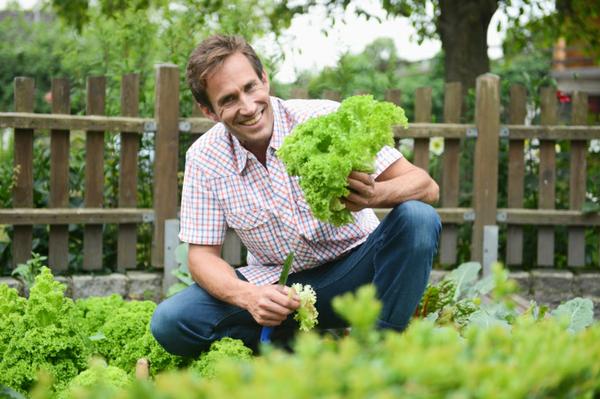
there’s another activity that quietly checks a lot of boxes for the brain: Gardening. Gardening combines movement, planning, problem-solving, sensory input, sunlight, purpose,
and often social connection. That combination is powerful. Recently, my mom sent me an article from Lone Star Neurology called “How Gardening Can Improve Brain Function and Reduce Neuroinflammation.” It caught my attention because it connected something very simple — gardening — with several important areas of brain
health. The article discusses how gardening may support: - Cognitive stimulation
- Stress reduction
- Improved mood
- Better sleep
- Sensory engagement
- Physical movement
- Dopamine and serotonin production
- Lower cortisol
levels
- Reduced neuroinflammation
- A stronger sense of purpose and emotional well-being
I do not have space to go into all of those in one short newsletter, but the overall idea is worth paying attention to: gardening is not just a pleasant hobby. It can be a body-brain activity that supports healthier aging in several ways. You can read the full article here: How Gardening Can Improve Brain Function and Reduce Neuroinflammation Gardening Is More Than “Just Being Outside”Gardening is active. You are reaching, squatting, carrying, digging, pulling, watering, planning, remembering, and adjusting. In other words, your
body is moving, and your brain is working. Research has linked gardening with better cognitive health, lower stress, and improved well-being. One large study of older adults found that people who regularly did garden work had a lower risk of developing dementia compared with those who did not garden. That does not prove
gardening alone prevents dementia, but it does suggest that gardening belongs in the category of meaningful lifestyle habits that may help protect the brain over time. What About Inflammation?Some research suggests gardening and horticultural therapy may support immune function and reduce markers connected with “inflammaging,” which is the chronic low-grade inflammation often associated with aging. That does not mean pulling weeds will automatically lower inflammation. But gardening may help create a healthier internal environment by reducing stress, increasing movement, improving sleep, and supporting better nutrition. And all of those things matter for brain and body health. The Brain Loves PurposeOne of the most underrated benefits of gardening is purpose. There is something deeply
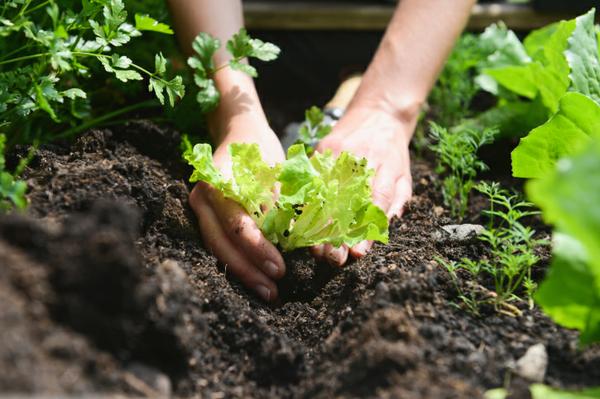
satisfying about planting something, caring for it, watching it grow, and eventually seeing the result. Gardening gives the brain something to organize, remember, observe, and look forward to. It gives the body a reason to move. It gives the nervous system calming sensory input through touch, smell, sunlight, and the beauty of creation. A Few Simple Ways to StartYou do not need a large garden to benefit. You could start with herbs in pots, a raised garden bed, flowers on the porch, tomatoes in a container, or even indoor
plants. I’ll be honest — I do not have time for a big garden right now. But even growing herbs in a pot can be surprisingly satisfying. There is something good for the brain in caring for something small and watching it grow. And as a bonus, fresh herbs add a tasty and nutritious boost to almost any meal. For someone with balance concerns, raised beds or container gardening may be safer than bending all the way to the ground. A sturdy stool, kneeling pad, long-handled tools, or working beside a counter-height surface can also make gardening more accessible. The goal is not to turn gardening into another performance-based activity. The goal is to use it as a practical, enjoyable way to move the body, engage the brain, calm the nervous system, and connect with something living. The Bottom LineGardening is a beautiful example of what healthy aging should look like. It combines movement, brain engagement, stress reduction, sensory input, sunlight, purpose, and
sometimes better nutrition. So this spring, maybe the question is not just, “What should I plant?” Maybe it is also: How can I use this season to strengthen my body, calm my nervous system, and give my brain something meaningful to do? Because brain health doesn't have to start with a complicated program. It can start with a seed. Have a Wonderful Weekend!Kristen Nielsen |
Simple Recipe: Garden Veggie Egg BakeIngredients: - 6 eggs
- 1/2 cup cottage cheese or Greek yogurt
- 1 cup chopped spinach
- 1/2 cup chopped bell pepper
- 1/2 cup chopped zucchini
- 1/4 cup chopped onion
- 1/2 cup shredded cheese
- Salt, pepper, and garlic powder to
taste
Directions:
Preheat oven to 375°. Whisk eggs with cottage cheese or Greek yogurt. Stir in vegetables, cheese, and seasonings. Pour into a greased baking dish and bake for 25–30 minutes, or until set. |
|